UI/UX Design
UX research, product design, user flows, wireframes, interface design, design systems, and prototyping.
Overview
Most product problems show up as design problems. Users drop off during onboarding, support tickets repeat the same question, a feature ships and nobody finds it. A visual refresh rarely fixes any of that. Understanding what people are trying to do, and designing around it, usually does.
We design web apps, mobile apps and desktop products, from first MVPs to redesigns of products already in use. Our work here includes the personal finance MVP for Prift, the EHR rebuild for UrgentIQ, and the Hyperliquid trading web app.
Who this is for
Founders turning an idea into a first version they can put in front of users. Product teams whose app has grown feature by feature and now feels harder to use than it should. Companies in high-stakes spaces like healthcare and finance, where clarity is a requirement.
The trade-off
Research sometimes shows that the feature you planned is not the one to build first. On Prift, we prioritised features with a MoSCoW analysis to define a focused MVP instead of shipping everything at once. That kind of cut feels like a loss in week two and like the right call at launch.
Product work also takes longer than a marketing site. Research, user flows, edge cases and interface states all need time, and projects that involve product or app design typically run eight to sixteen weeks.
What’s Included
Research and strategy
Stakeholder workshops to align on goals, users and constraints
Competitor and benchmark research
User research, plus a usability review of your current product if you have one
Personas and user journeys grounded in that research
Feature prioritisation that defines what ships first
Structure
Information architecture and navigation
User flows covering the main path, edge cases and error states
Wireframes, validated before visual design starts
Interface design
High-fidelity screens for web, iOS and Android, or desktop
Every state that matters: empty, loading, error, success and permissions
Interactive prototypes for user testing and stakeholder review
Systems and handover
A design system with components, tokens and usage rules your engineers can build from
Developer handoff with specs and annotations
The option to have our fullstack team build it, with no handoff gap in between
How We Work
Where we can, we start with an MVP: a deliberately focused first version that can go live quickly and then improve against real usage.
Understand. A discovery workshop with your team, then research into your users, your competitors and your current product. We map what users are trying to get done and where they get stuck.
Prioritise. We agree what the first release has to do and what can wait. This is where scope gets protected.
Structure. Information architecture, user flows and wireframes come before any visual polish. Changes are cheapest at this stage, so this is where we want the hard feedback.
Design. We build the interface and the design system together, so each new screen reuses components that already exist.
Validate. We prototype and test with real users where possible, then refine before anything goes to development.
Iterate. Once the product is live, usage tells us what to fix next. On UrgentIQ, phase two was designed against real clinic usage after the soft launch, and front desk teams on the redesigned system now handle eight more patients a day.
Working together
Revision rounds are written into the statement of work, usually two per stage. For ongoing product work, retainers start at $4,000 a month for a dedicated design and development team, with the mix of skills shifting as your roadmap changes.
Relevant Projects
 PriftPrift wanted people to see 10, 20, even 30 years of their finances at a glance. We designed the MVP that made it possible.
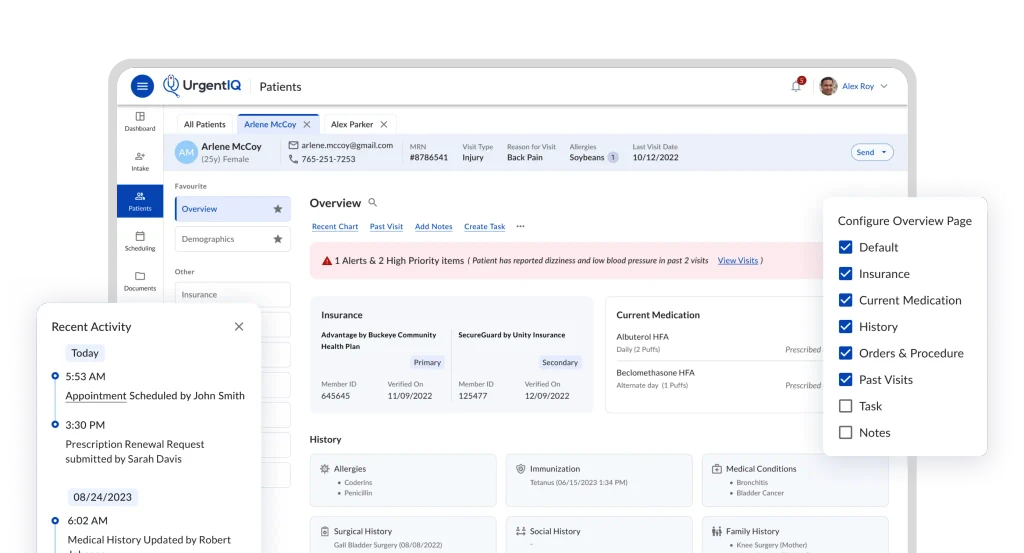 UrgentIQFront desk teams using UrgentIQ's redesigned EHR now handle eight more patients a day. Here's the interface that got them there.
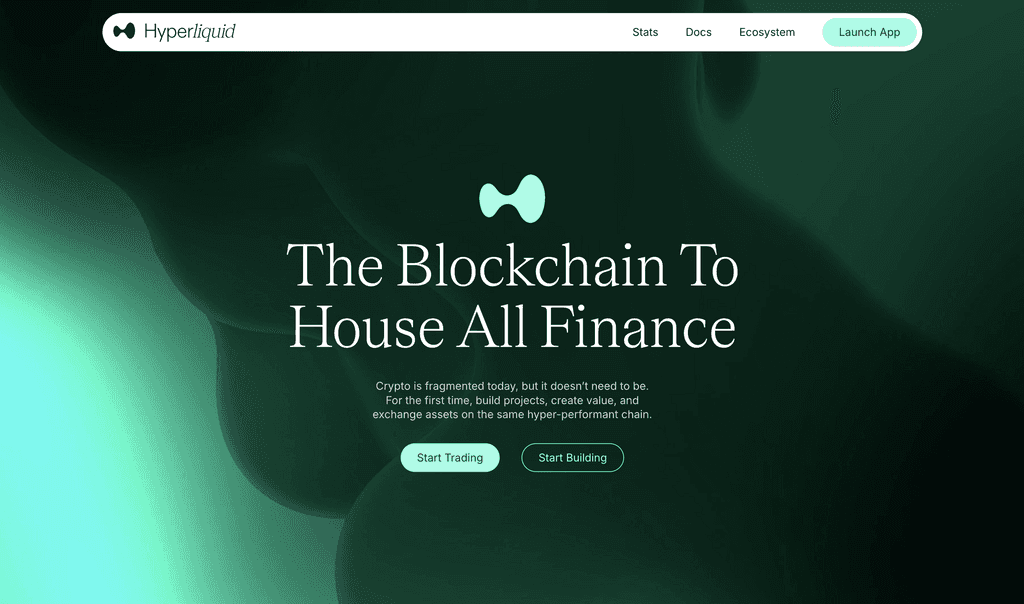 Hyper Foundation / HyperliquidHyperliquid needed two things to feel like one ecosystem. We designed both the trading web app and the Hyper Foundation site, hyperliquid.xyz.


